Understanding the Role of Podiatrists in General Foot Health
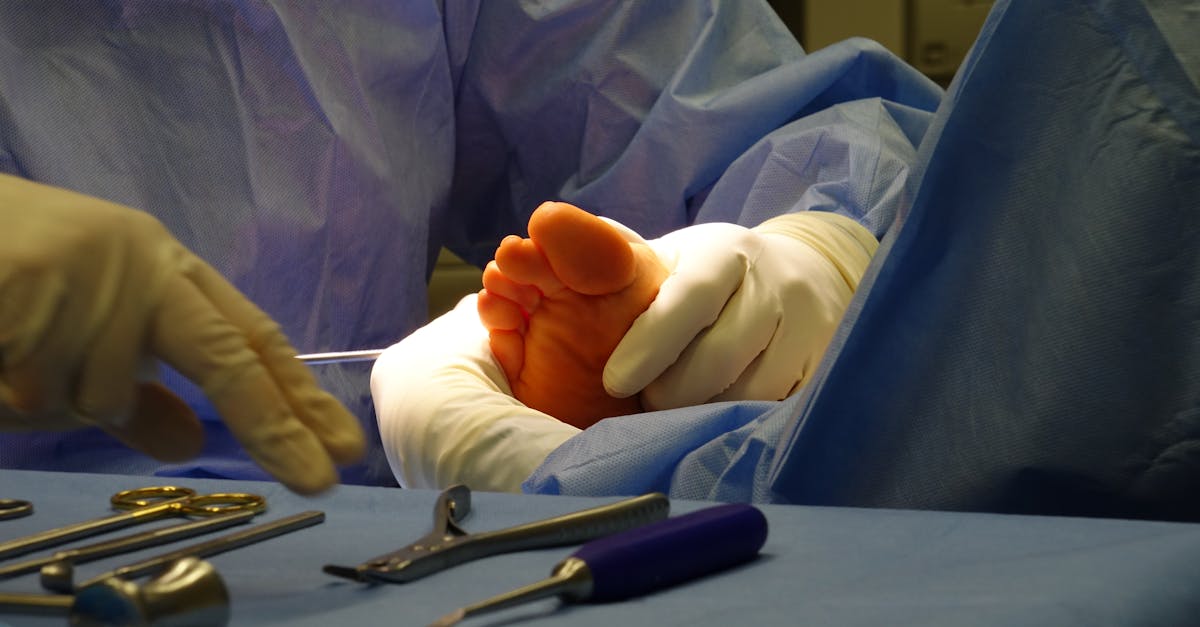
Table Of Contents
Footwear and its Impact on Foot Health
The choice of footwear significantly influences overall foot health. Poorly fitting shoes can lead to a variety of problems, including bunions, corns, and ingrown toenails. High heels and narrow-toed shoes often cause undue pressure on the foot, resulting in pain and discomfort. On the other hand, supportive footwear can promote proper alignment and reduce the risk of injury during physical activities.
In particular, the materials used in shoe construction also play a crucial role in foot health. Breathable fabrics help prevent moisture build-up, which can lead to fungal infections. Moreover, cushioning is essential to absorb shock, especially for those who spend long hours on their feet. Selecting shoes that provide adequate support and comfort is essential, as it not only affects immediate well-being but can also have long-term repercussions on foot structure and function.
Choosing the Right Shoes
Selecting appropriate footwear is essential for maintaining overall foot health. Shoes should provide adequate support and cushioning. The right fit plays a crucial role in preventing various foot problems, including blisters, calluses, and more serious conditions like bunions or plantar fasciitis. It is important to consider the shoe's design, materials, and sole type, as these factors influence both comfort and functionality.
Consumers should assess their specific needs when choosing shoes. Individuals with certain foot conditions, such as flat feet or high arches, may benefit from custom orthotics or shoes specifically designed for their foot type. Trying on shoes later in the day can help ensure a proper fit, as feet tend to swell throughout the day. Always take into account the activities the shoes will be used for, as athletic shoes differ significantly from casual or dress footwear.
Podiatry for Children and Adolescents
Foot health in children and adolescents is critical as their bodies grow and develop. Young feet undergo numerous changes that may lead to issues such as flat feet or other alignment problems. Podiatrists play an essential role in identifying these conditions early, which can prevent complications later in life. Regular check-ups can help monitor foot development and address any concerns promptly.
Educators and parents must be aware of the importance of proper footwear during this formative stage. Ill-fitting shoes can exacerbate existing problems or create new ones, impacting overall mobility and comfort. By consulting with a podiatrist, families can receive tailored advice on suitable shoe choices and strategies to enhance foot health, ensuring that children and adolescents remain active and pain-free.
Addressing Developmental Foot Issues
Children experience various developmental foot issues that can impact their overall mobility and comfort. Flat feet, in-toeing, and out-toeing are common concerns that may arise during different growth stages. These conditions can often be asymptomatic but may lead to discomfort or postural issues if left unaddressed. Regular foot assessments by a podiatrist can help identify these problems early, allowing for timely intervention and management strategies tailored to individual needs.
Treatment options can include custom orthotics, specific footwear recommendations, and exercises aimed at strengthening the foot and improving overall alignment. Podiatrists play a crucial role in educating parents about proper footwear choices and the significance of encouraging healthy foot development in children. Early intervention ensures that any developmental discrepancies are monitored, minimising the risk of chronic issues as children progress into adulthood.
Techniques Used in Podiatry
Podiatry encompasses a variety of techniques aimed at treating foot and lower limb issues. One of the most common methods involves orthotic therapy, where custom-made insoles are prescribed to support the foot’s structure and improve its biomechanics. Physiotherapy techniques may also be employed to enhance movement and strengthen muscles, providing relief from pain and preventing further injury.
In addition to traditional treatments, podiatrists often utilise advanced technologies such as laser therapy for fungal infections and shockwave therapy for chronic conditions. Surgical interventions may be necessary in severe cases, allowing for the correction of deformities or the removal of painful bone spurs. By integrating these techniques, podiatrists are able to offer comprehensive care tailored to individual patient needs.
Common Treatments and Therapies
Podiatrists employ a variety of treatments tailored to address specific foot health issues. Common interventions include prescription orthotics, which are custom-made inserts designed to provide support and improve alignment. This can alleviate pain associated with conditions like plantar fasciitis and flat feet. In addition to orthotics, podiatrists may use taping methods to stabilise the foot during recovery from injuries or to support arch problems.
Therapeutic modalities such as ultrasound therapy and low-level laser therapy are also utilised to reduce inflammation and promote healing. Foot care education plays a critical role, equipping patients with the knowledge to prevent future issues. Regular foot assessments allow for early detection of problems, ensuring appropriate and timely intervention. These therapies work collectively to enhance foot function and overall quality of life.
FAQS
What is the role of a podiatrist in foot health?
A podiatrist is a healthcare professional who specializes in diagnosing, treating, and preventing foot and ankle conditions. They provide tailored care for various foot issues, ensuring overall foot health and mobility.
How does footwear affect foot health?
Footwear plays a crucial role in foot health as inappropriate shoes can lead to various problems such as blisters, bunions, and other foot deformities. Proper shoes provide support, comfort, and can help prevent injuries.
What should I consider when choosing shoes?
When selecting shoes, consider factors such as fit, arch support, cushioning, and the type of activity you will be doing. It's important to try on shoes later in the day when your feet are slightly swollen and to ensure there is adequate space for your toes.
At what age should children see a podiatrist?
Children should see a podiatrist if they experience any foot pain or discomfort, or if there are concerns regarding their foot development. Regular check-ups are recommended as they grow to ensure their feet are developing normally.
What common treatments do podiatrists use?
Common treatments provided by podiatrists include orthotics, physical therapy, nail care, and advice on footwear. They may also use techniques such as ultrasound therapy, cryotherapy, and even surgical interventions when necessary.
Related Links
Insights into Patient Education During Podiatry ConsultationsStrategies for Effective Communication with Your Podiatrist
Key Questions to Ask During Your Podiatry Consultation
Essential Services Offered in General Podiatry Consultations
The Benefits of Early Intervention in Podiatry Care